

Explore MCC’s residence halls and find the housing style, suite options, amenities, and unique history of each building.
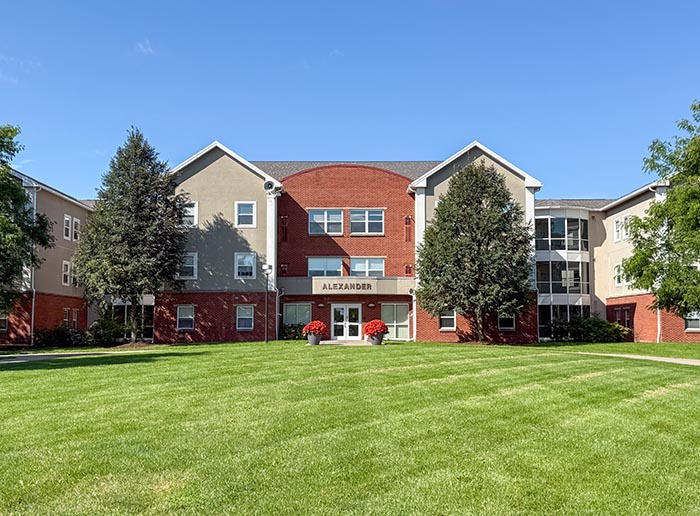
MCC's first home — Rochester’s former East High School at 410 Alexander Street — had been condemned by the city as a fire hazard in 1960. However, that did not deter MCC founders, who immediately went to work making the necessary renovations. On September 9, 1962, the doors of MCC’s original campus swung open and welcomed 720 students. MCC’s campus spirit was undoubtedly born in this communal, resourceful, and informal setting, where collegiality and cooperation first turned the dream of accessible education into a reality for the Rochester community.
Alexander Street was MCC's address for 6 years. In June 1968, the college responded to the increasing enrollment by opening a new campus in Brighton.
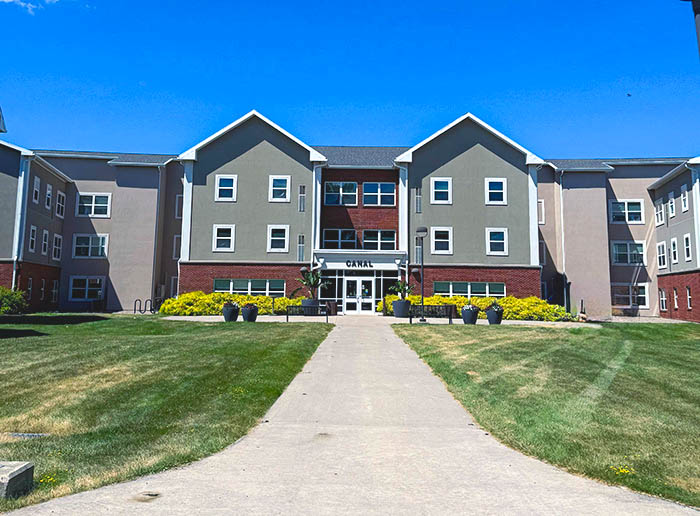
The Erie Canal, a 348-mile waterway today, was first completed in 1825. As one of America’s most treasured historical resources and most successful public works projects, the Canal played a pivotal role in making New York the Empire State. Boom towns sprang up because this narrow ribbon-of-water trade route linked Buffalo, Rochester, Syracuse, Utica, and Albany with New York City and lowered transportation costs by 90 percent. Once trodden by mule teams, the old canal ran through downtown Rochester. By no means less historically significant, the 20th-century version of the canal runs just beyond the northeast side of the campus and is now a scenic pathway for bicyclists and hikers, part of a recreational network that makes up the Canalway and Greenway Trail.
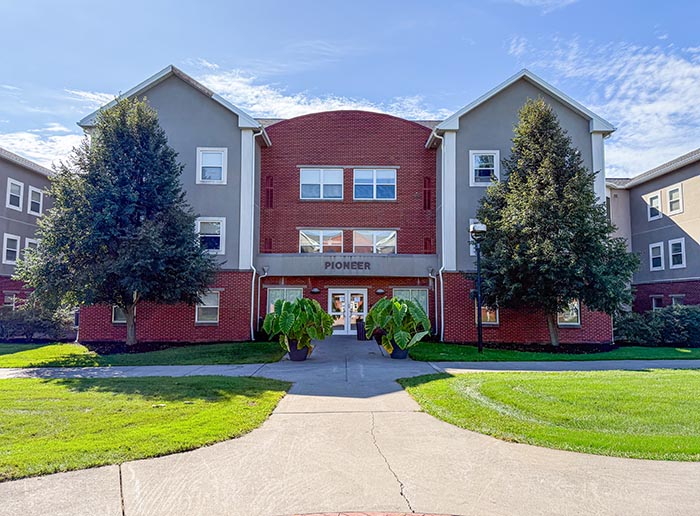
Established in 1961 as a unit of the State University of New York, MCC was a vision shared by a handful of prominent local businesspeople, Monroe County Manager Gordon A. Howe, and the Monroe County Board of Supervisors. The time was right for Monroe Community College. A publicly funded two-year institution in their own community offered exciting new opportunities for growth.
The first Board of Trustees, a powerhouse of Rochester’s finest in medicine, business, education, and law, was appointed by the Board of Supervisors and the Governor of New York. In the early months of 1962, the Board of Trustees hired Dr. Leroy V. Good as MCC’s founding president. Good, a pioneer in successfully establishing community colleges in three other states, would make his mark in Rochester as well.
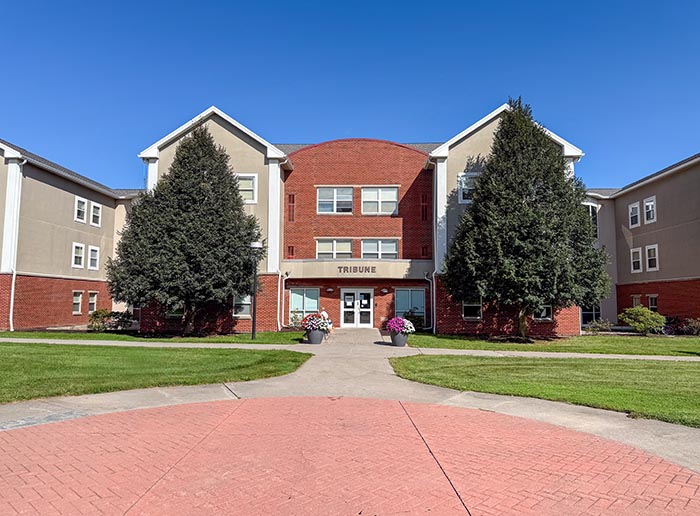
Monroe Community College athletic teams are known as the Tribunes. The name "Tribunes" was selected by popular vote among students and faculty members in the early years of the college. The team mascot is derived from the Roman officials who were defenders of the people. The Tribune name has served MCC well. Over the years, the MCC athletic teams have won numerous regional and national championships. MCC is the home of one of the most successful NJCAA athletic programs in the nation. At almost any time of year, you can hear “Go Tribunes” echoing from the physical education complex and the adjacent athletic fields.

Suites in total are approximately 1,100 square feet
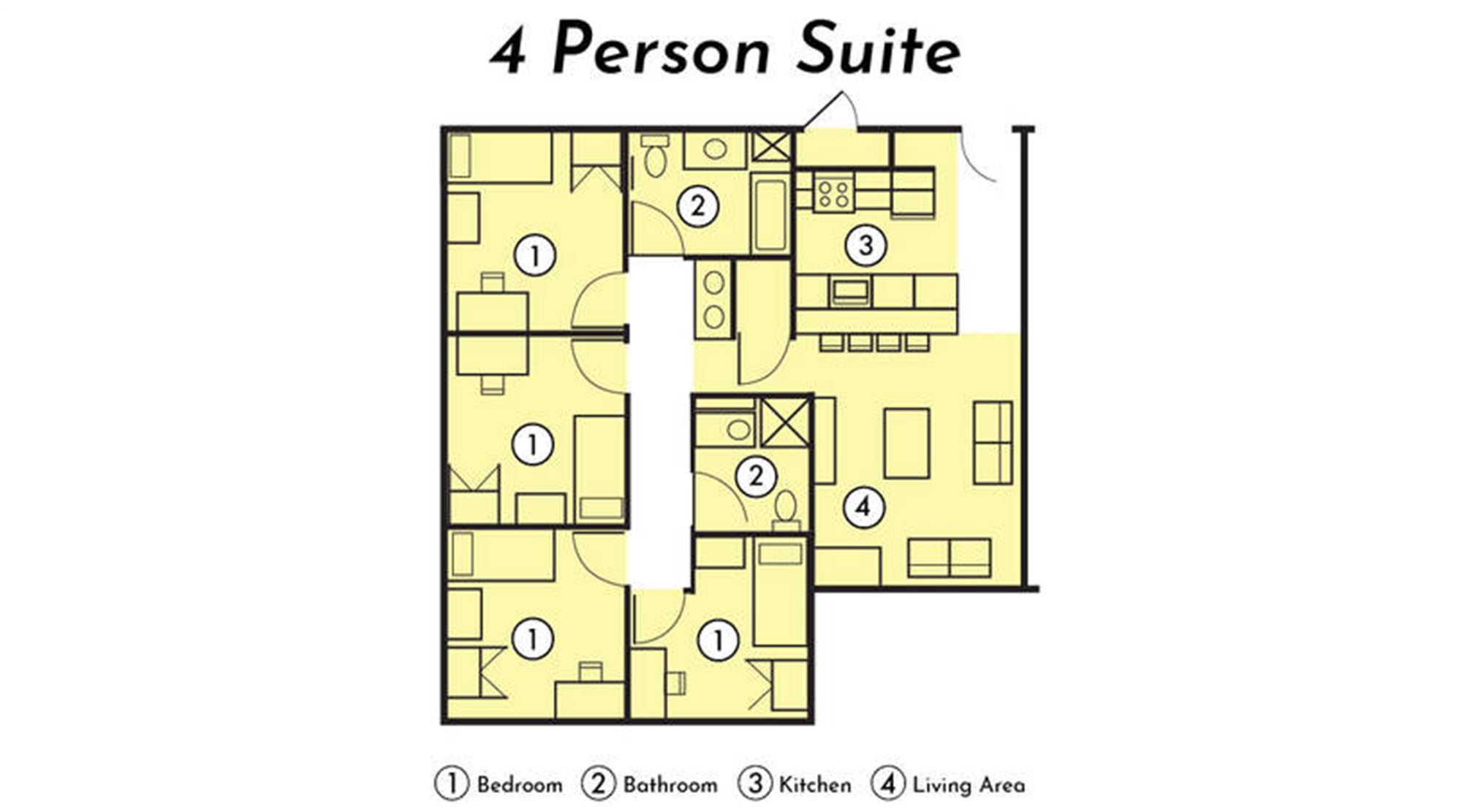
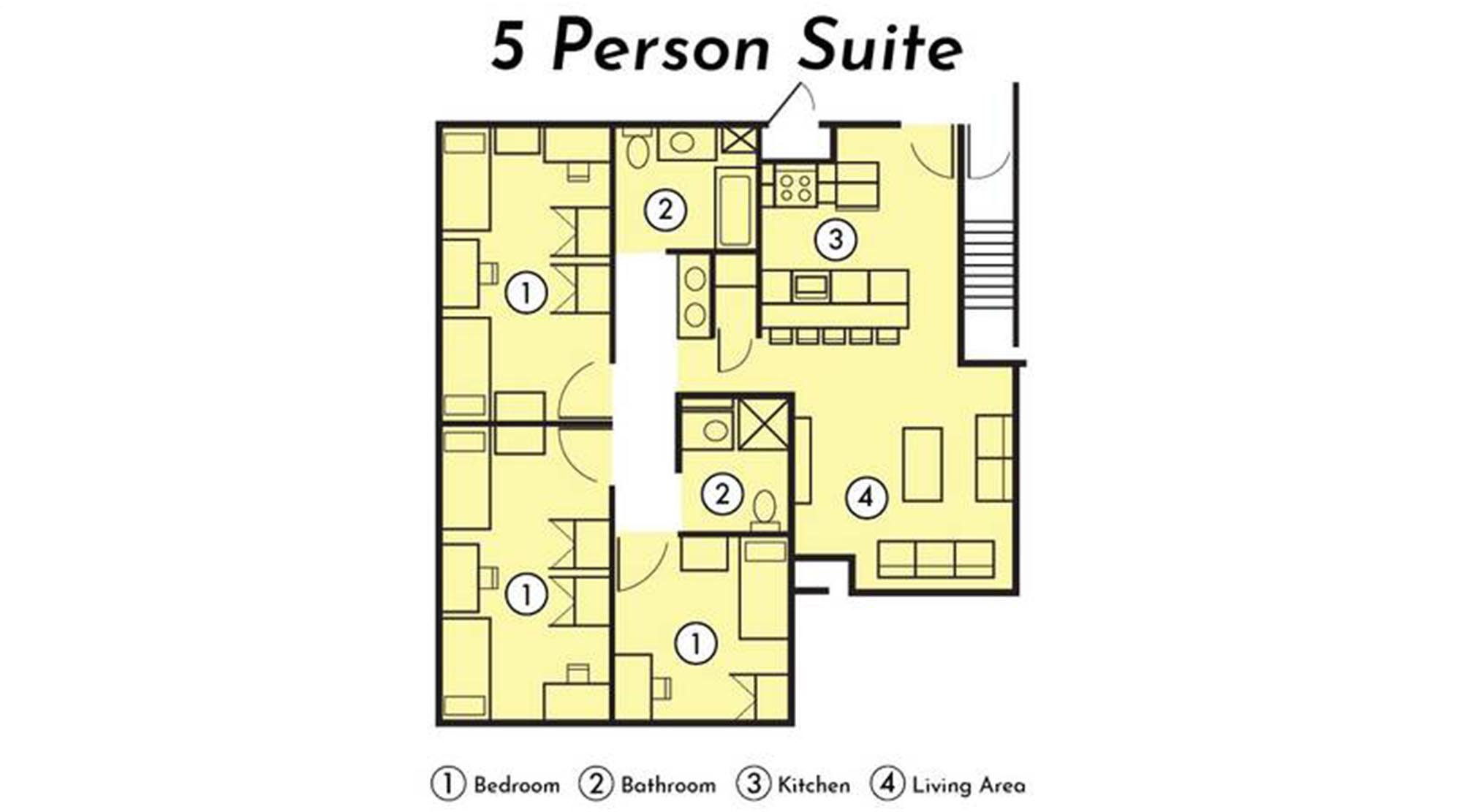
Dr. Alice Holloway Young joined the Rochester City School District in 1952, and was one of the first African-American teachers. Over the next three decades, she taught at the elementary school level, administered entire schools and implemented a variety of district-wide programs that transformed Rochester’s educational character and commitment. Named a Monroe Community College trustee in 1961, Dr. Young helped establish the college and its vision. Her involvement and commitment to Monroe Community College has transcended four decades as a founding trustee, Board Chair and Chair Emerita. Throughout her career, she has received numerous honors. It is most fitting that this trailblazing educator be honored for her years of dedicated and inspiring service to Monroe Community College.